Funny February Poems
Table of Contents
February’s Jest
In February, when skies turn gray,
And Cupid’s arrows go astray,
The groundhog peeks, then hides away—
"More winter!" it seems to say.

Chocolate hearts in every store,
Love is in the air, galore!
But my cat decides to snore,
Dreaming fish, love no more.

Roses red, violets blue,
February, we’re halfway through,
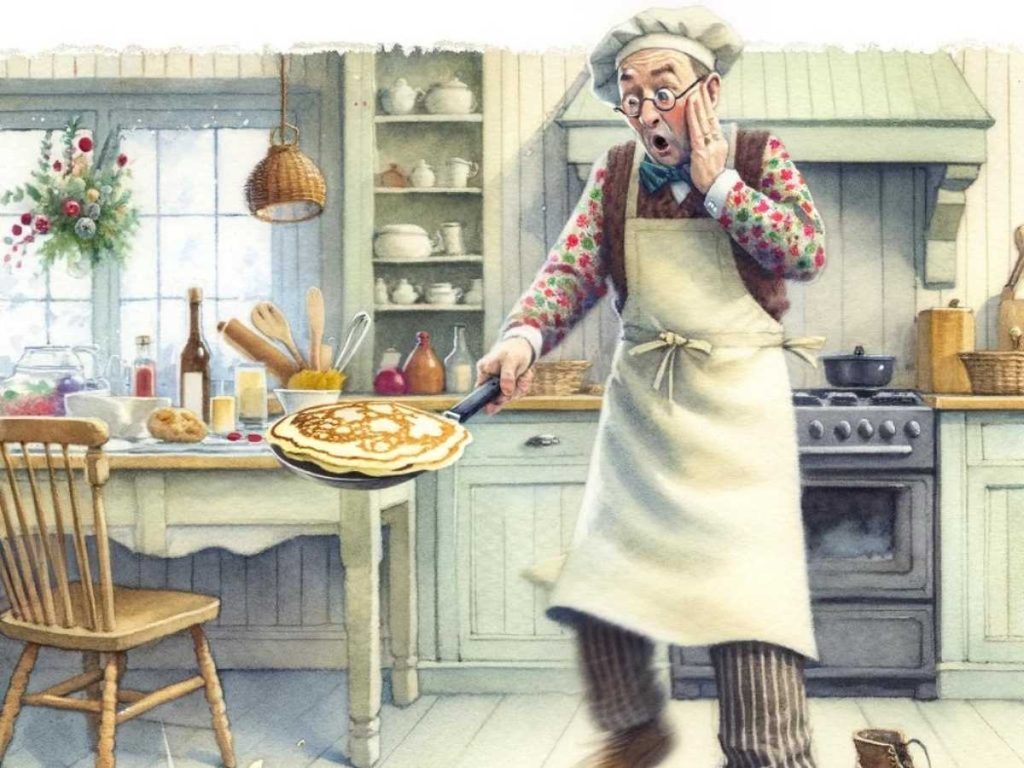
Pancakes on Shrove Tuesday, true,
Yet, I flip mine into a shoe.

Shortest month, but feels so long,
Valentine’s can’t go wrong,
Singing an off-key love song,
In a leap year, extra strong.

Leap day comes but once in four,
A bonus day, who could ask for more?
Yet, on this day, chores galore,
February, oh, what a bore!

Meaning
“February’s Jest” humorously navigates the peculiarities and traditions of February, from Groundhog Day and Valentine’s Day to the unique occurrence of Leap Year. The poem playfully critiques the commercialization of love, the unexpected behavior of pets, and the chores that seem to pile up, even on a bonus day, all while underpinning the lighter, whimsical side of this short yet eventful month.
Analysis
- Groundhog Day & Winter’s Length: The poem opens with a nod to Groundhog Day, humorously pointing out the animal’s reluctance to bring good news, symbolizing the often prolonged feeling of winter during February.
- Valentine’s Day Commercialization: The contrast between romantic expectations and mundane realities, like a cat preferring to dream of fish over engaging in Valentine’s festivities, satirizes the commercialized nature of love in February.
- Shrove Tuesday & Mishaps: The mention of Shrove Tuesday, with the humorous image of flipping a pancake into a shoe, highlights the fun and sometimes clumsy traditions that mark the month.
- Leap Year Quirkiness: The poem closes by reflecting on the uniqueness of Leap Year, adding a day that ironically ends up being filled with more chores, emphasizing the quirky and sometimes ironic aspects of February.
Inspiration Behind
As I crafted “February’s Jest,” I found myself amused by the ironies and contrasts that fill this short month. February, with its cold weather and warm-hearted holidays, always struck me as a month of playful contradictions. The pressure to find romance, the bizarre tradition of relying on a groundhog for weather forecasts, and the unique occurrence of a leap day every four years provided a rich tapestry of themes to explore. I aimed to capture the light-hearted frustration and joy that come with these February traditions, using humor to paint a picture of a month that’s both fleeting and filled with peculiar delights.
February’s Follies
February, oh, you sly old fox,
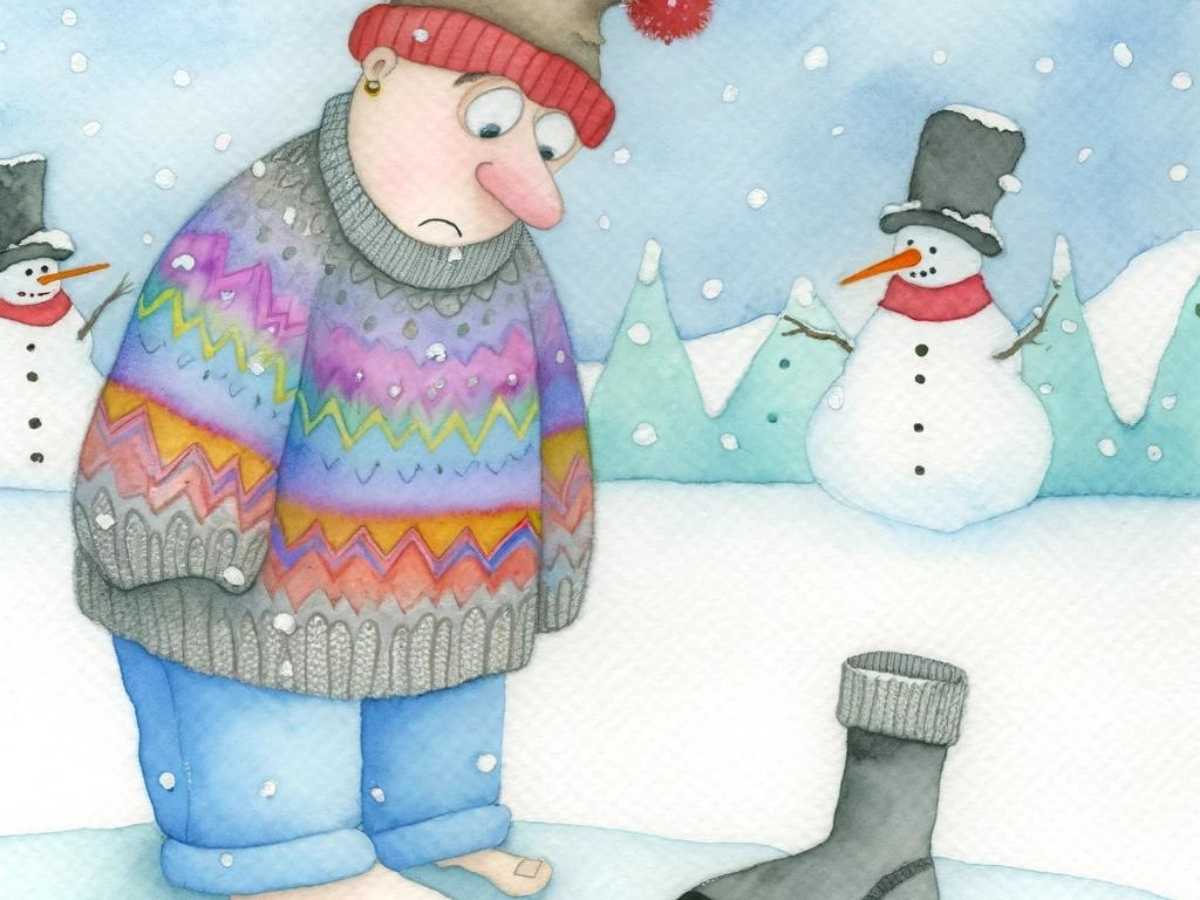
Snow in my boots, lost my socks.
Cupid's arrows, misfire shocks,
Love notes floating, in the docks.

Sweaters piling, layer on layer,
Hoping spring, soon to be a player.
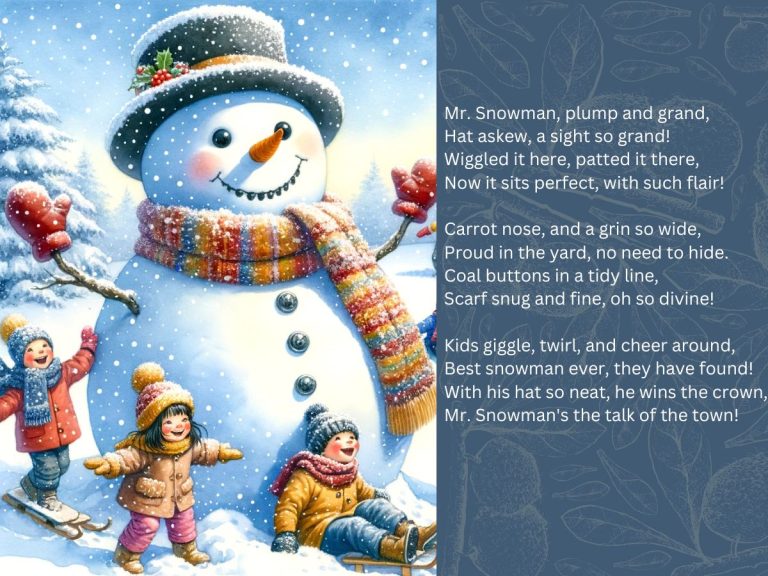
Yet, snowman stands, a chilly stayer,
My icy breath, a frosty prayer.

Groundhog's shadow, a dubious guest,
More winter, or spring, a jest?
Yet in this cold, we find our zest,
February's folly, a seasonal test.

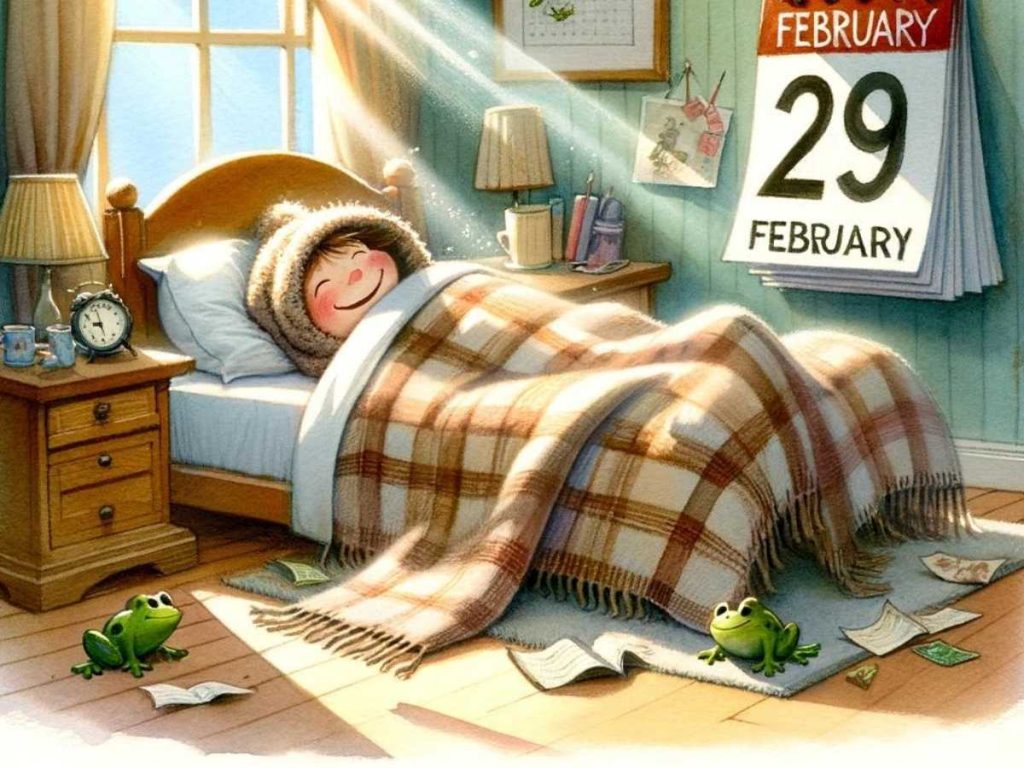
Leap year sneaks, an extra day,
A 24-hour bonus play.
I spend it sleeping, hooray!
For February's end, we say, "Okay!"
Meaning
“February’s Follies” takes a humorous look at the quirks and eccentricities of February, from the unpredictable weather that alternates between the hopeful signs of spring and the stubborn chill of winter, to the amusing misadventures of Valentine’s Day. It playfully acknowledges the groundhog’s uncertain forecast and celebrates the extra day in a leap year with a nod to the universal desire to simply rest.
Analysis
- Weather Woes: The poem starts with a comedic grievance about the inconveniences caused by February’s unpredictable weather, setting a tone of playful frustration.
- Valentine’s Day Ironies: It jests at the often comical outcomes of Cupid’s endeavors, portraying love as both whimsical and elusive during this month.
- Spring Anticipation: The mention of a snowman and icy breath as prayers for spring underscores the longing for warmer days, yet with a lighthearted acceptance of winter’s persistence.
- Leap Year Opportunity: The poem concludes on a humorous note about the leap year, presenting the extra day not as a chance for productivity but as an opportunity for much-needed rest, capturing the essence of February’s end with a collective sigh of relief.
Inspiration Behind
Drawing “February’s Follies,” I leaned into the playful contradictions that make February both endearing and mildly frustrating. The unpredictable weather, the high hopes for an early spring, the comedic mishaps of Valentine’s Day, and the unique occurrence of a leap year all served as muses. I wanted to highlight the small, often humorous battles we face during this month, from dealing with the cold to navigating the pressures of romance, all the while looking forward to the promise of spring. February, with its blend of chill and charm, presents a perfect canvas for a light-hearted reflection on life’s little ironies.
End Words
These Funny February Poems and their accompanying watercolor illustrations whimsically celebrate February’s unique blend of whimsy and wistfulness. Through playful observations on weather quirks, romantic misadventures, and the peculiar charm of a leap year, they capture the essence of a month that bridges the gap between winter’s chill and the promise of spring. With humor and a light touch, they remind us of the joy to be found in the small, unexpected moments of life, making February not just a time to endure, but to embrace with a smile.